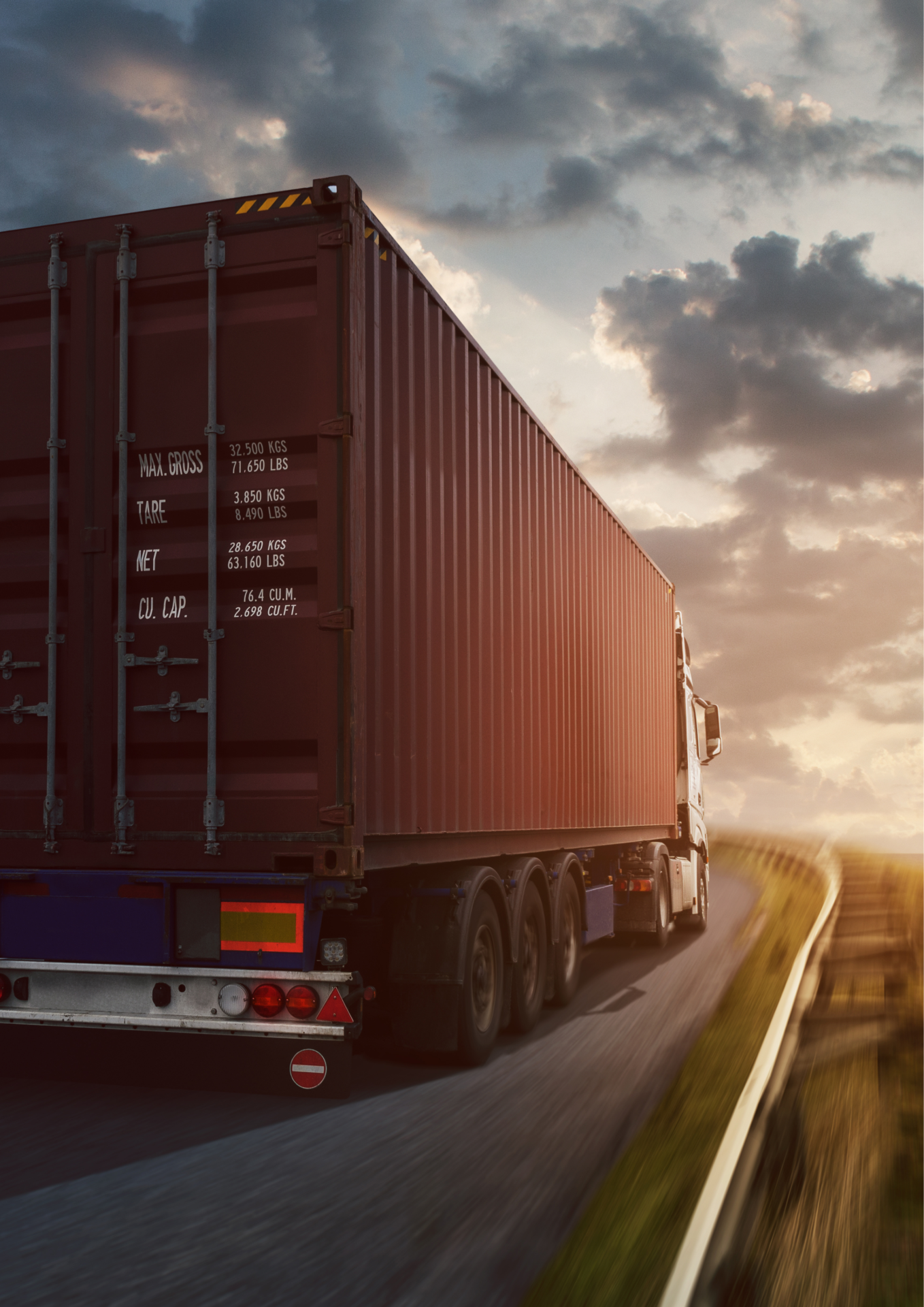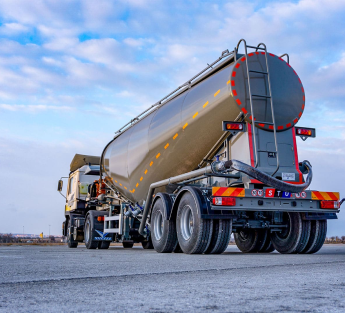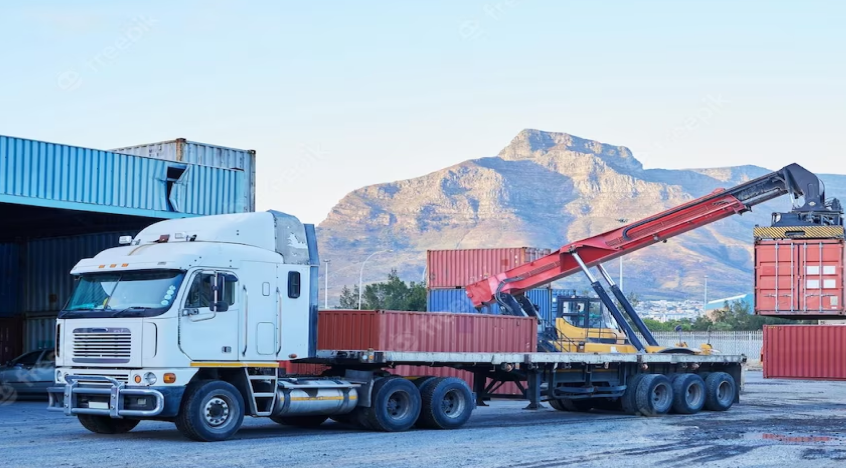
When India decided to move more voluminous freight faster – Satrac answered
Logistics is the circulatory system of modern India. Cement from factories to construction sites. Steel from mills to fabricators. Ore from mines to ports. Agricultural produce from farms to processors. Every tonne of cargo moving is an economic transaction; every hour of delay is money lost.
By the early 2020s, India’s logistics operators faced a constraint: conventional combinations reached volume limits long before hitting axle-load caps when carrying low-density cargo. Because the overall Gross Vehicle Weight (GVW) allowance remains the same for a road train, the economics of long-haul logistics demanded a trailer system capable of transporting more voluminous or less dense loads legally, safely, and efficiently across Indian highways.
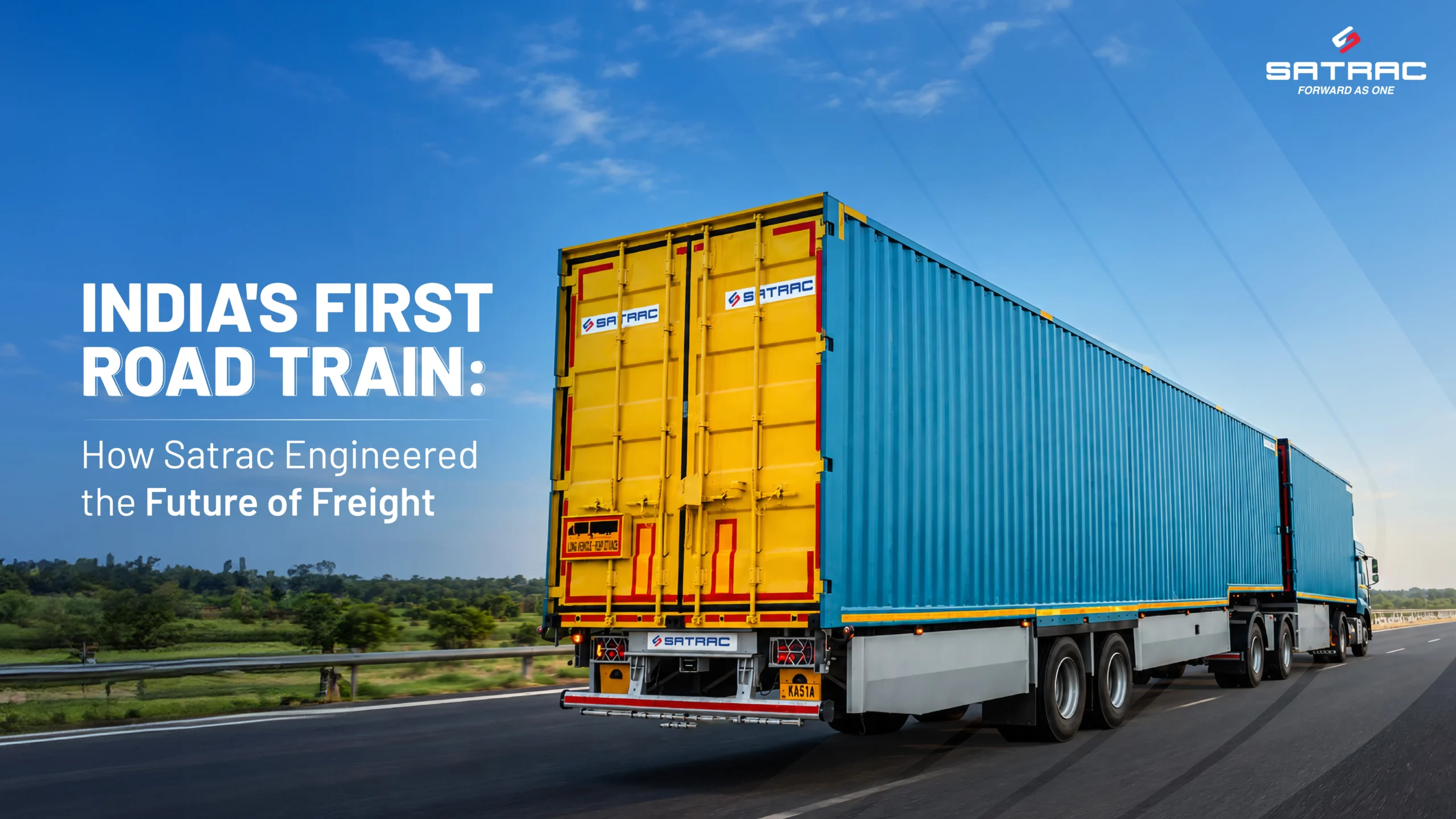
Satrac engineered the answer: India’s first road train.
What started as a concept became a reality that redefined what’s possible on Indian roads and established Satrac as an innovator willing to take on the engineering challenges others avoided.
The Challenge: Engineering for Indian highways
A road train is a long-combination vehicle (LCV) – essentially a prime mover pulling multiple trailers or a trailer configuration with more axles and longer length than standard combinations. They exist in Australia, Brazil, and parts of Europe. But India had never manufactured one legally.
The engineering challenge wasn’t complexity for its own sake. It was solving a real problem: how to increase payload capacity without violating axle-load limits or road regulations, and how to ensure the system remained stable and controllable on Indian highways with their varying road conditions, tight curves, and unpredictable traffic.
A road train requires:
- Multi-axle configuration: more axles means distributed load, staying within legal axle limits while carrying higher gross vehicle weight
- Extended wheelbase: distributing the load across a longer frame to maintain stability and maneuverability
- Coordinated braking system: EBS (electronic braking system) integration to ensure all axles brake in coordination, preventing jackknife or rollover
- Load-balancing precision: the weight distribution across axles must be exact to prevent tyre wear imbalance and suspension stress
- Articulation engineering: if multiple trailers, the hinge points and coupling systems must handle complex stress under turn and acceleration
Most trailer manufacturers would have declined the challenge. Satrac accepted it.
Engineering the Innovation: From design lab to highway
Satrac’s approach to the road train began with comprehensive simulation. Engineers modelled the vehicle’s behaviour on highway curves, during emergency braking, over rough terrain, and under full load. They tested articulation angles, evaluated rollover risk, and calculated forces at coupling points.
The design drew on Satrac’s proven expertise: BSK 46 high-strength steel, formed beams, and precision SAW welding – now configured for a longer, heavier system. The extended frame required novel approaches to weight distribution. The multi-axle configuration demanded perfect kingpin alignment and load-balancing to prevent the steering and handling issues that plague poorly engineered long-combination vehicles.
EBS integration was critical. A conventional air-braking system couldn’t coordinate the braking force across multiple axles quickly enough. Electronic braking had to be built into the specification from the start – another layer of engineering that most Indian body builders weren’t equipped to handle.
Regulatory Compliance: AIS 113 & Beyond
Once the engineering was validated, it required regulatory certification. India’s AIS 113 standard governs long-combination vehicles – setting limits on length, width, axle configuration, coupling systems, braking, and stability criteria.
Satrac engineered its road train to exceed AIS 113 requirements, not just meet them. The safety margins were built in, the performance was validated through both simulation and road testing.
Receiving certification meant Satrac’s road train wasn’t just a vehicle; it was a recognised solution to India’s freight logistics challenge.
What this achieved: Real-World impact
A Satrac road train can legally carry significantly more payload than conventional combinations while maintaining stability, braking performance, and fuel efficiency. The extended wheelbase distributes weight across more axles, reducing tyre wear. The precision engineering ensures the vehicle handles reliably even on challenging Indian highways.
For logistics operators – particularly those in e-commerce, cement, and long-haul freight – the road train opened new economic possibilities:
- Higher payload per trip translates to fewer trips to move the same cargo
- Reduced trips mean lower fuel costs per tonne-km
- Extended axles mean lower per-tyre-axle load, improving tyre life
- Predictable handling characteristics mean less driver fatigue on long routes
For Satrac, the road train achievement had broader significance: it validated the company’s engineering capability at the highest level. You don’t become “India’s first” in heavy-vehicle engineering without deep technical expertise and the confidence to innovate where others hesitate.
The Broader Story: Innovation as competitive advantage
The road train is more than a product. It’s proof of principle: when logistics operators have a problem, Satrac doesn’t offer a standard product off the shelf. It engineers a solution.
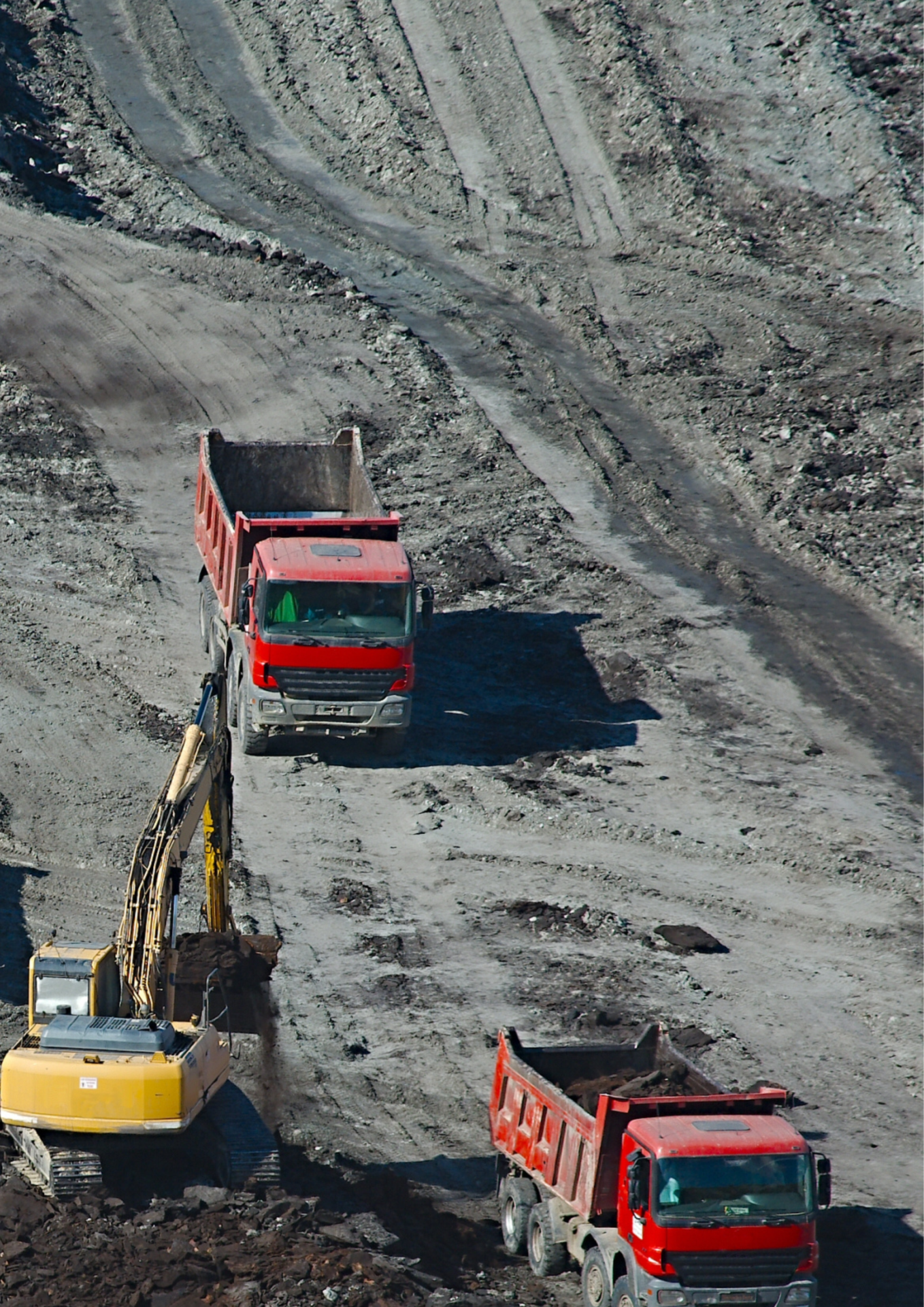
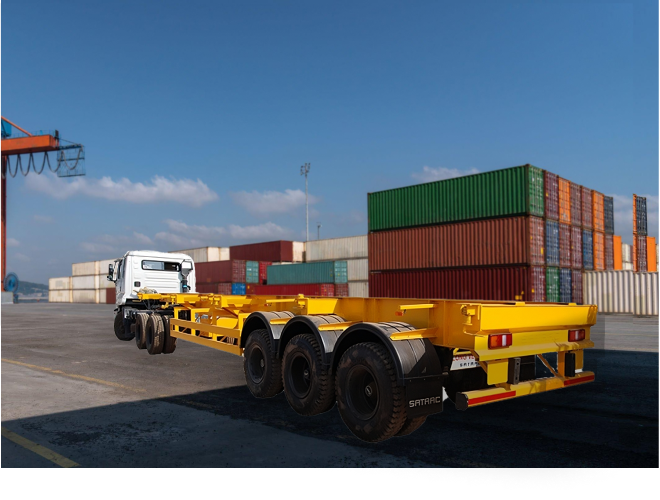
This same discipline applies to mining tippers engineered for Odisha’s roughest terrain, and skeletal trailers optimised for container logistics. Each represents an investment in application-specific engineering.
Satrac doesn’t manufacture trailers. Satrac engineers solutions to logistics operators’ most demanding challenges.
The road train announced this to the Indian market. Every fleet owner considering Satrac now knows: this is a company willing to invest in innovation, to face regulatory and engineering challenges head-on, and to deliver solutions that redefine what’s possible.
Ready to Experience our Innovation?
Whether you’re operating standard trailers today or facing challenges that conventional solutions don’t solve, talk to a Satrac specialist. We’ve proven we can engineer the future. The question is: what’s your challenge?