Key Insights
- A Satrac trailer is engineered for zero structural intervention in its first five years, with documented cases of trailers still earning on the road past 15 years of service.
- The build uses BSK 46 / HSS 800 high-strength steel (450 yield strength, nearly double the standard 250) and a 500mm formed beam in a ladder-frame chassis with fully automated SAW welding, the specifics that prevent the fatigue cracking competitors see in years four to seven.
- The higher upfront price typically pays back in years five to ten, when cheaper trailers begin failing and the total cost of ownership resolves in Satrac’s favour.
- A ten-year-old Satrac trailer commands roughly 20% more resale value than comparable builds, and qualifies for Satrac’s RECON refurbishment programme for a second life.
- Proven at scale: over 50,000 trailers and truck bodies delivered to 10,000+ clients across logistics, steel, mining, cement and infrastructure.
When a fleet owner says “For 15 years, we haven’t even needed to call them for service,” that is not a marketing line. That is a business outcome. It means 15 monsoons survived. Fifteen years of highway load cycles, overloaded axles, potholed detours, and the kind of sustained punishment that separates engineering from fabrication. It means a trailer bought in the UPA era is still on the road today, still earning, still structurally sound.
In a sector where margins are thin and every idle day costs money, 15 years of trouble-free operation is not a small thing. It is the entire argument for choosing a trailer manufacturer carefully, rather than quickly.
Year one: The investment decision
The conversation usually begins at purchase. A Satrac trailer costs more upfront than many alternatives in the truck body builder market. Fleet owners who have run Satrac for over a decade are consistent about one thing – the premium felt uncomfortable at year zero and by year three it became a reassuring feeling.
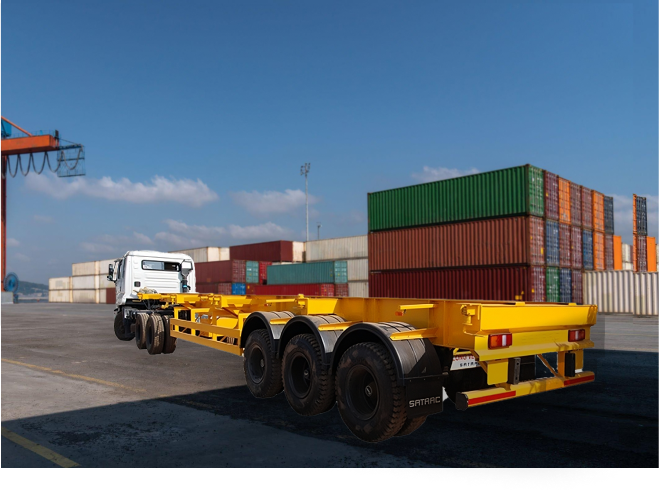
What the price buys is specific. BSK 46 and HSS 800 high-strength steel, with a yield strength of 450, nearly double the 250 that standard beams offer. A 500mm formed beam in a ladder-frame chassis, fabricated with fully automated SAW welding that eliminates the weld inconsistencies that typically cause fatigue cracking between years four and seven. Precision jigs and fixtures that ensure zero-to-zero alignment, which alone extends tyre life by up to 7% is a compounding saving across a fleet of any size.
None of this is visible on day one. It becomes visible gradually, in the form of things that do not happen, the axle that does not fail, the chassis that does not crack, the alignment that does not drift.
Years 1 to 5: Zero structural intervention
Satrac’s own engineering benchmark is that its trailers should require zero structural intervention in the first five years of operation. For fleet owners running vehicles on India’s national highway network, where a fully loaded trailer can cover 150,000 kilometres in 18 months, that benchmark represents an extraordinary amount of earned uptime.
For operators like CJ Darcl Logistics and Delhivery, running high-frequency logistics corridors where a trailer being off the road for even two days disrupts customer SLAs, this matters more than any single specification. The vehicle is an asset, uptime is the return.
Routine servicing that covers tyres, brakes, fluids etc always happens, but the body itself, the chassis, the beams, the welds, hold. The corrosion resistance built in through grit-blasting and advanced paint preparation means the chassis that looked clean on delivery day still looks structurally clean in year four.
Years 5 to 10: Where the premium pays back
This is the window in which the total cost of ownership calculation resolves conclusively in Satrac’s and Fleet Owner’s favour and the window in which competitors’ products often begin to show the consequences of their compromises.
In a cheaply built trailer, year five to seven is typically when structural fatigue cracks appear at weld joints, when tyre wear patterns begin to reveal alignment drift, when the chassis starts costing more to maintain than it did to operate. For a fleet running 30 or 40 such trailers, the cumulative cost of these failures – parts, labour, downtime, lost revenue etc. frequently exceeds the price difference between the budget purchase and a Satrac build.
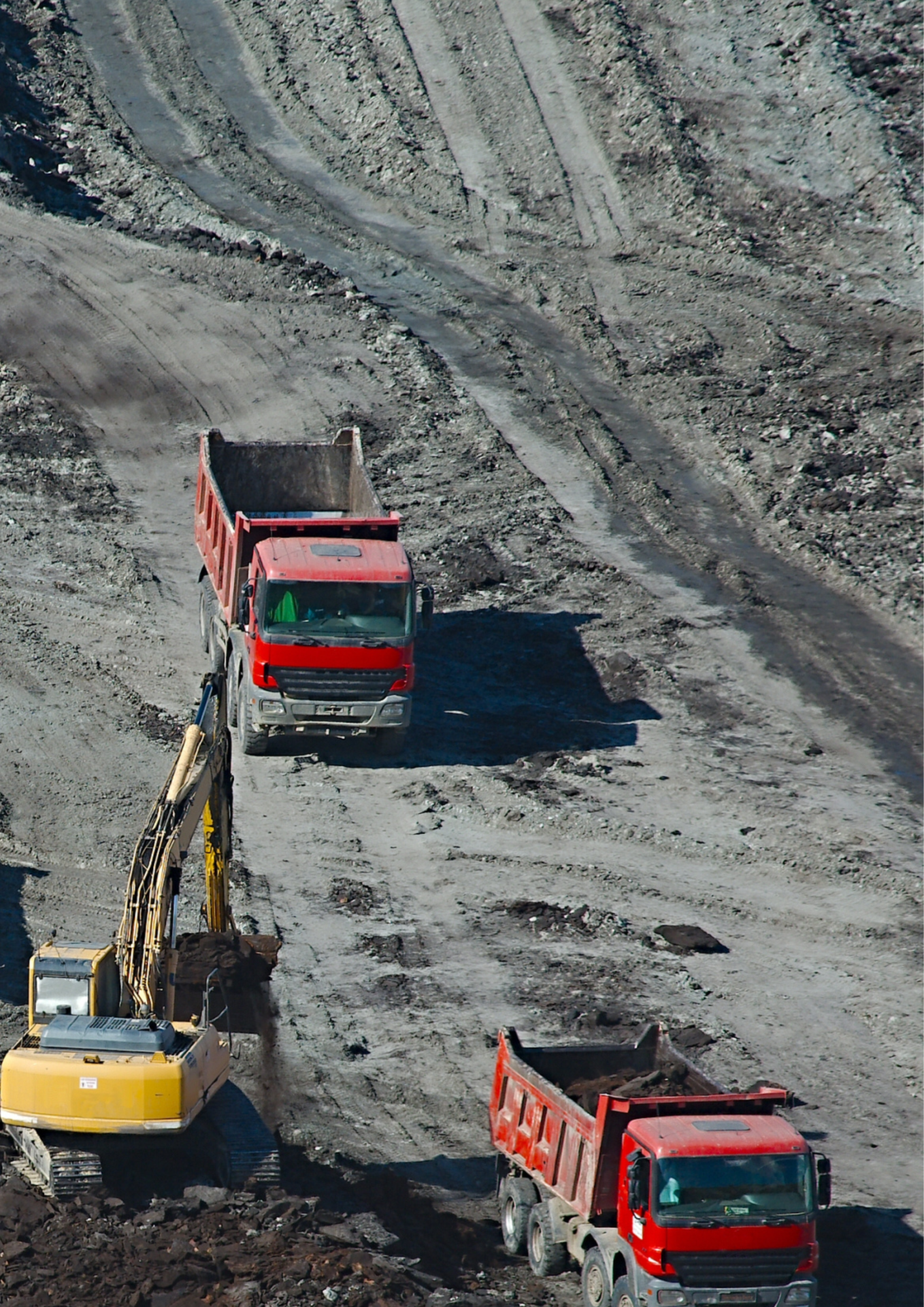
The second testimonial from Satrac’s fleet base says it plainly: “The quality of SATRAC is evident. I am running vehicles from 2008 in 2024.” That is a trailer operating past its 15th year. In mining, where companies like Tata Steel, JSW, SAIL, and NMDC run tipper fleets through some of the most abrasive operating conditions in the country, this longevity is not incidental. It is the direct result of rock body tippers and U-shaped box bodies engineered specifically for that environment, not adapted from a generic design.
Years 10 to 15: The resale calculation
The fleet owner approaching year ten faces a decision. Retain and refurbish, or replace. A Satrac trailer at year ten typically still has a healthy core chassis, because the engineering that prevented structural failure in year five also prevented the accumulated micro-damage that degrades lesser builds over time.
This structural health means two things. First, Satrac’s refurbishment and RECON programmes can give the vehicle a practical second life at a fraction of new-vehicle cost. Second, and this matters enormously for fleet owners managing capital cycles, a Satrac trailer commands approximately 20% more resale value in the secondary market than comparable builds.
That premium exists because the secondary market knows what it is buying. Buyers of used trailers are not naive. They have seen the difference between a ten-year-old Satrac trailer and a ten-year-old trailer from a manufacturer that cut corners on steel grade or weld quality. The Satrac holds its geometry. The others often don’t.
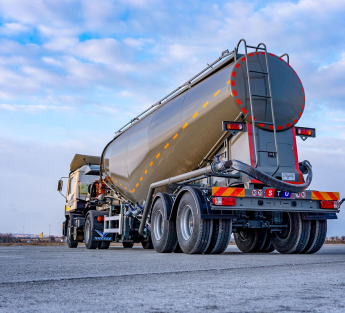
For fleet operators in cement, running bulker trailers for UltraTech, ACC, JK Cement, or Dalmia or in infrastructure, running flatbeds for KNR Construction and DP World, the resale premium is a real line item in the asset management spreadsheet.
What the fleet owner actually experiences
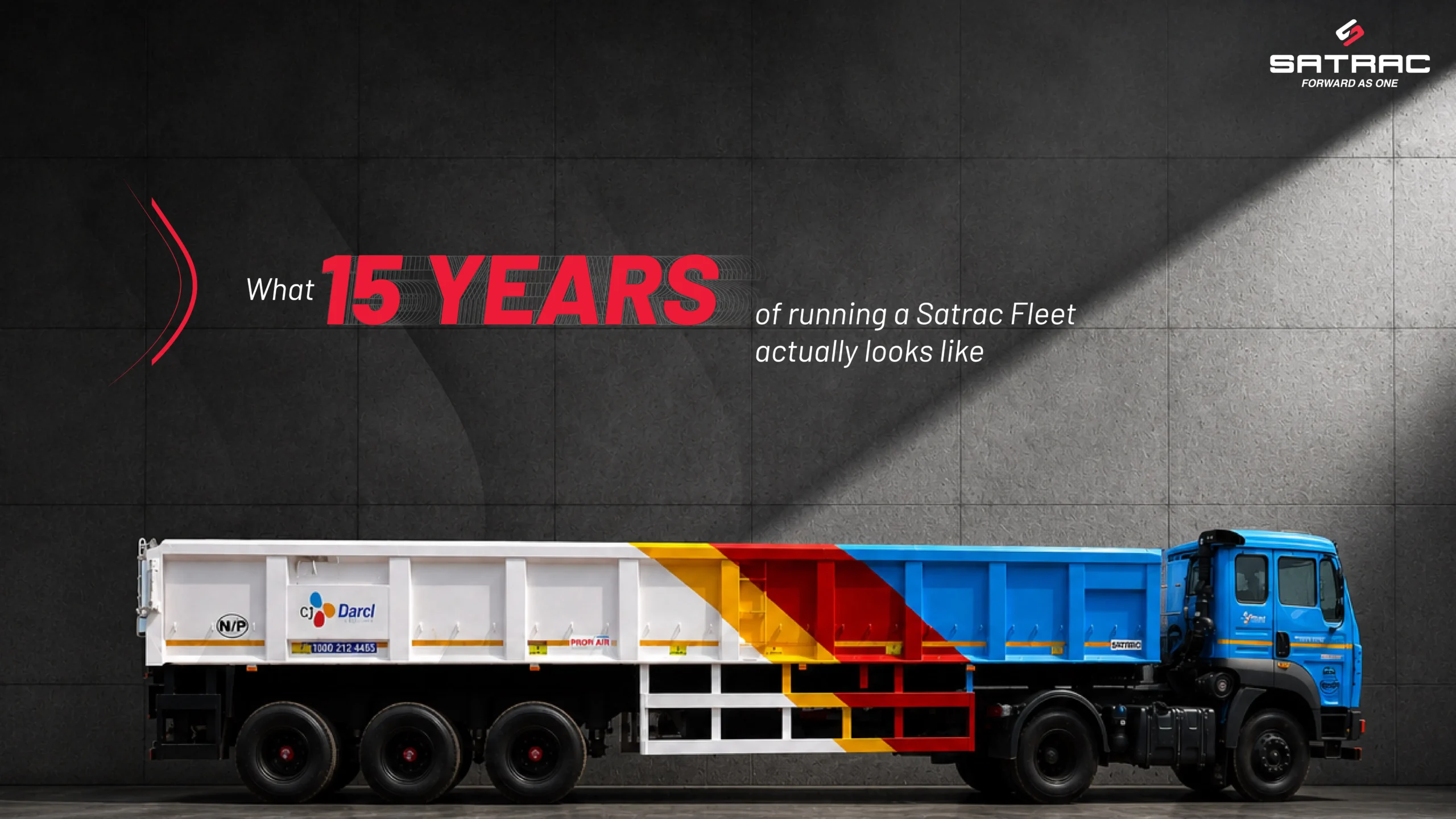
Strip away the specifications and the numbers, and what 15 years of running a Satrac fleet looks like is this
- A business that spent more on procurement and less on everything else.
- A maintenance schedule that was predictable rather than reactive.
- Drivers who trusted their vehicles.
- A resale event that returned more capital than expected.
Satrac’s commercial vehicle body builder legacy. Over 50,000 trailers and truck bodies delivered to more than 10,000 clients across logistics, steel, mining, cement, and infrastructure is not built from a single transaction repeated 50,000 times. It is built from relationships that compounded over years, from fleet owners who bought one trailer, experienced what 15 years actually looks like, and came back for the next ten.
Long-life Matlab SATRAC is not a claim about a specification. It is a description of what the industry has observed, at scale, over time.
To understand how Satrac’s engineering translates into long-term fleet profitability for your specific application, speak to a Satrac specialist or visit satrac.com.