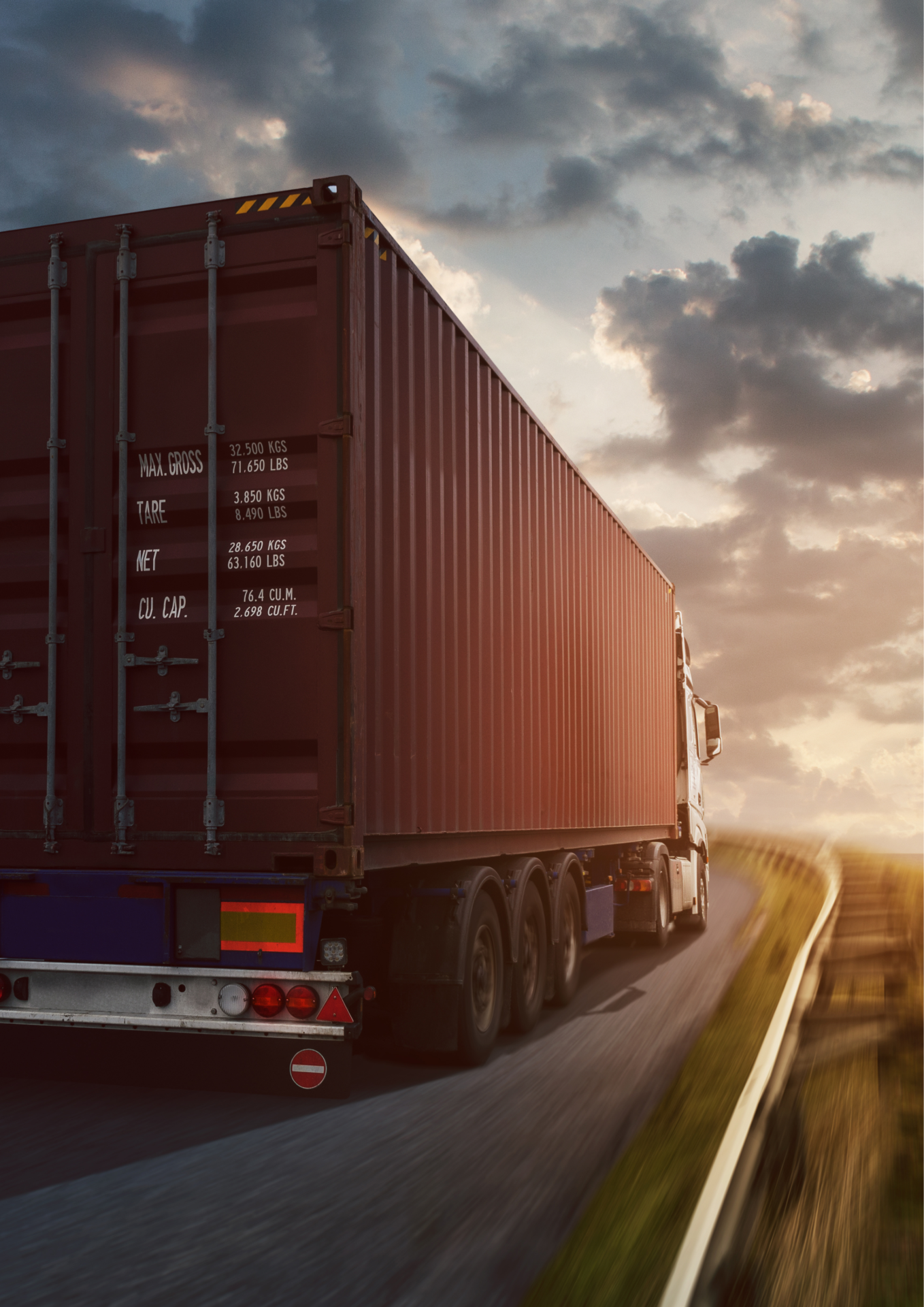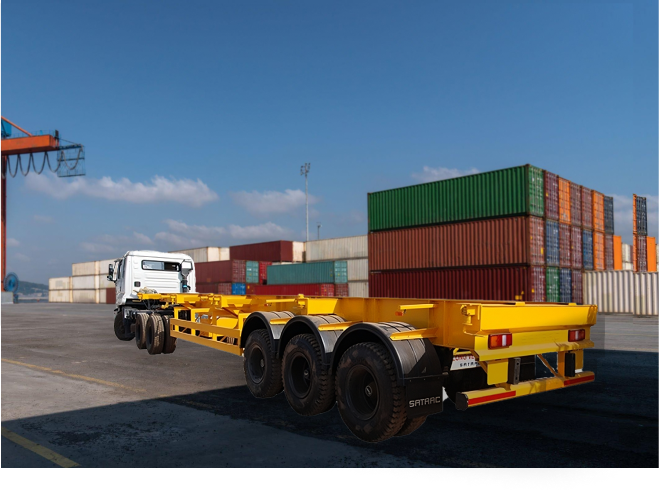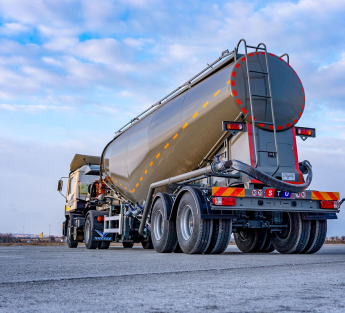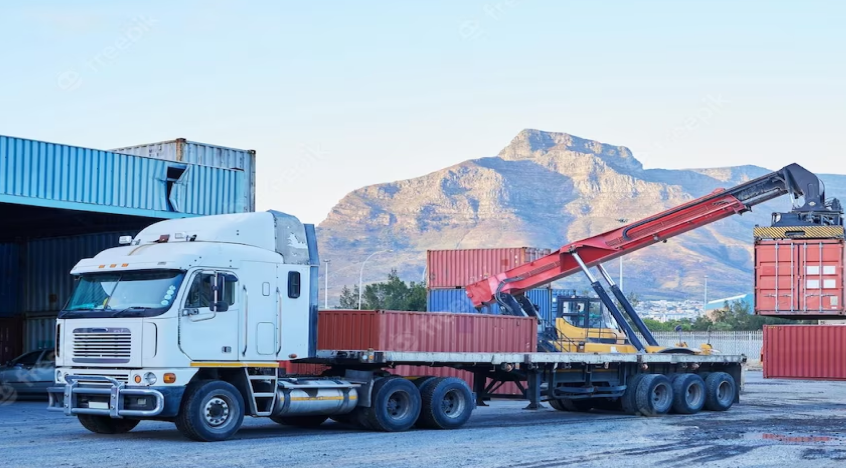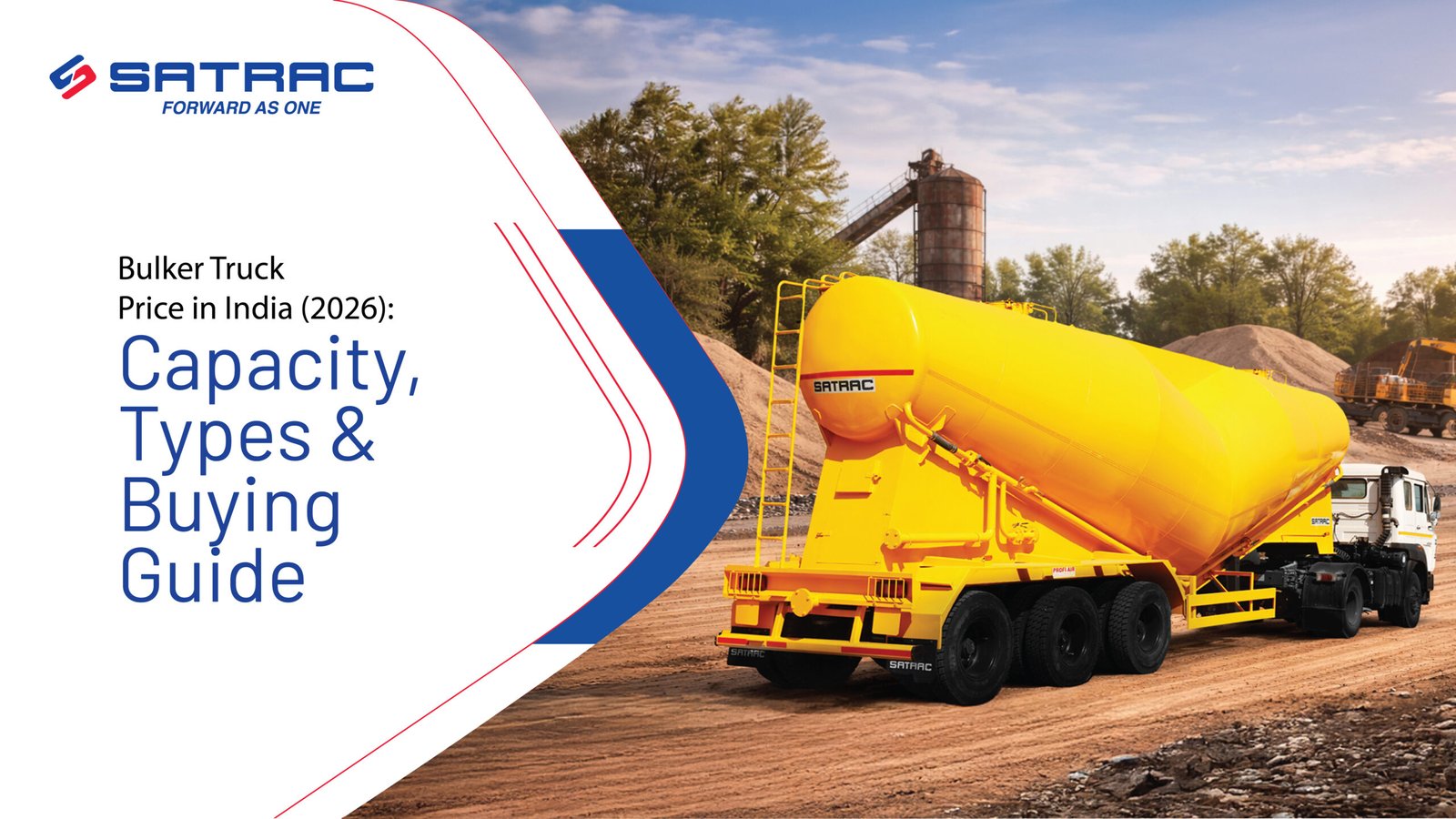
The Indian infrastructure boom isn’t just a story of steel and asphalt; it’s a story of what moves inside them. If you want to know if the economy is actually breathing, don’t look at the GDP charts alone, look at our highways at midnight. You’ll see the white, cylindrical silhouettes of the bulk cement transport trailer, the “muscle” of the construction industry, ferrying the literal foundation of our cities.
The transport sector in India is currently undergoing a quiet, high-stakes shift. As we enter 2026, the era of the “jugaad” fabricator is hitting a wall of regulatory and economic reality. If you’re in the business of hauling fly ash transport solutions or cement, the old logic of buying the cheapest shell is a fast track to bankruptcy.
The conclusion is clear: Quality isn’t a luxury; it’s a survival strategy. Here is why the long game in industrial bulk transport solutions is the only one worth playing.
The tare weight trap: why 200 kg is worth 20 Lakhs
In the Indian trucking scenario, every trip is a battle against the weighbridge. The formula for your profit is simple:
Payload = GVW – Tare Weight
Cheaply made trailers use standard mild steel (E250 grade). To make them “strong,” local fabricators simply use thicker plates. This adds dead weight. A professional high-strength steel bulker utilises High Tensile Steel (E350 or E450).
By using HTS, a 35-45 cu.m bulker trailer can reduce its own weight by nearly Rs.800/kg to Rs.1,200/kg without sacrificing structural integrity. In a 10-year lifecycle, that extra ton of payload per trip translates to millions in additional revenue. If your cement bulker trailer is too heavy, you are essentially paying for the privilege of hauling air.
The “1-tonne bonus”: RTO and pneumatic suspension
One of the most overlooked “hacks” in the Indian market is the Ministry of Road Transport & Highways (MoRTH) notification regarding pneumatic suspension.
- The Rule: If your heavy-duty bulker trailer is fitted with certified pneumatic (air) suspension, you are permitted Rs. 1\ tonne of extra Gross Vehicle Weight (GVW) per axle.
- The Catch: Local shops rarely have the engineering precision to integrate these systems correctly.
A high-quality manufacturer ensures your custom bulker trailer in India is RTO-compliant and optimised for this purpose. That extra tonne isn’t just a legal perk; it’s the difference between breaking even and scaling a fleet.
Why “good enough” welding kills bulkers
Some chassis rails on three-year-old bulkers look like they’ve been through a war zone. This is often because of fatigue cracking. Indian roads are unforgiving. Constant vibrations cause micro-fractures in poor welds.
High-quality construction from a leading Fly Ash Bulker Manufacturer from Bangalore utilises Submerged Arc Welding (SAW) and MIG welding with manipulators. This isn’t just for show. SAW delivers deep penetration and a uniform bead that resists torsional stress from a fully loaded bulk cement transport trailer navigating a potholed highway in rural Maharashtra.
Common failure points in cheap bulkers:
| Feature | Local Fabricator | High-Quality Manufacturer |
| Welding | Manual Arc (Inconsistent) | Robotic/SAW (Uniform) |
| Braking | Standard S-Cam | Synchronised EBS/CAN Router |
| Chassis | Built-up I-beam | High-tensile pressed steel |
| Paint | Liquid spray (Rusts in 2 years) | Polyurethane (PU) paint / Grit blasted |
Choosing the right partner: the 2026 checklist
By 2026, the market is expected to grow by8 to 10% primarily driven by replacement demand. Companies are tired of equipment that leaks air or “snakes” on the highway. When looking for a bulker trailer for sale, these non-negotiables are your safety net:
- Ready-mix concrete (RMC) transport equipment expertise: Does the manufacturer understand the specific gravity and flow characteristics of the material?
- Digital Tools: Do they offer a Trailer VIN tool or cornering analysis? Precision engineering matters more than a low quote.
- Legacy: A manufacturer with 25+ years of experience understands the specific stress points of the Indian terrain—from the heat of Rajasthan to the humidity of Kerala.
- The “Dry” Guarantee: A bulker is a pressure vessel. If the discharge rate is slow or there’s high residue, you’re losing money every hour.
The verdict: the price of 2026
Expect the bulker truck price in india for a premium unit to sit between Rs.18 Lakh to Rs. 26 Lakh in 2026. You can find a basic cement bulker priced at Rs. 6 Lakh in a local yard, but that unit will cost you five times that amount in downtime, tyre wear, and lost payload over five years.
In India, if you buy cheap, you buy twice. If you invest in a quality heavy-duty bulker trailer, you buy a business asset that works as hard as you do. The “cheapest” trailer is the one that stays on the road for a decade without a crack.